Duloxetine Gastro Tablets: Uses, Benefits, and Key Information
Wiki Article
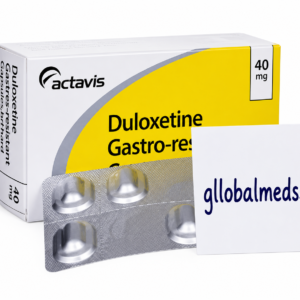
Duloxetine Gastro Tablets provide a commonly used treatment option for certain mood, anxiety, and nerve-related conditions. Duloxetine belongs to a group of medicines called serotonin-norepinephrine reuptake inhibitors (SNRIs). It works by helping regulate important chemical messengers in the brain and nervous system. The gastro-resistant formulation also helps protect the medicine from stomach acid and supports appropriate release in the digestive system.
Understanding how Duloxetine Gastro Tablets work, what conditions they support, and what precautions matter can help patients use this medicine responsibly. A healthcare professional can determine whether duloxetine is suitable based on symptoms, medical history, other medicines, and individual treatment needs.
What Are Duloxetine Gastro Tablets?
Duloxetine Gastro Tablets contain duloxetine as the active ingredient. The medicine affects serotonin and norepinephrine, two neurotransmitters involved in mood regulation and pain signaling. By influencing these chemical messengers, duloxetine can support the management of several conditions.
The gastro-resistant coating helps the tablet pass through the stomach before releasing its active ingredient. This formulation means patients generally need to swallow the tablet whole rather than crushing, chewing, or opening it.
Duloxetine comes in different strengths, and the appropriate strength depends on the condition being treated and the individual's response to therapy. Patients should follow the dosage instructions provided by their healthcare professional.
Common Uses of Duloxetine
Healthcare professionals may prescribe duloxetine for several conditions. One important use involves depression, where duloxetine helps regulate neurotransmitters associated with mood and emotional balance.
Duloxetine can also support the treatment of generalized anxiety disorder. By affecting serotonin and norepinephrine activity, it can help reduce persistent anxiety symptoms in suitable patients.
Another important application involves certain forms of nerve pain. Duloxetine may help manage diabetic peripheral neuropathic pain and other chronic pain conditions. It can influence pain signaling within the nervous system, which makes it useful when pain involves nerve sensitivity.
In some cases, healthcare professionals also consider duloxetine for chronic musculoskeletal pain, including certain long-term back or joint pain conditions. The exact indication depends on the patient's symptoms and local prescribing guidelines.
How Duloxetine Works
Duloxetine works mainly by increasing the availability of serotonin and norepinephrine in the nervous system. These neurotransmitters contribute to mood, emotional regulation, and the body's processing of pain signals.
The medicine blocks the reuptake of these chemical messengers, allowing more of them to remain available between nerve cells. This action can help improve mood and anxiety symptoms while also modifying abnormal pain signaling.
Duloxetine does not provide an instant effect. Mood and anxiety symptoms may require consistent treatment before noticeable improvement occurs. Patients should continue taking the medicine according to medical advice rather than changing the dose based on short-term changes in symptoms.
How to Take Duloxetine Gastro Tablets
Patients generally take Duloxetine Gastro Tablets once or twice daily depending on the prescribed regimen and the specific condition. The tablet should be swallowed whole with water.
Because the tablets are gastro-resistant, crushing or chewing them can interfere with their intended formulation. Taking the medicine at approximately the same time each day can also make regular treatment easier to maintain.
Duloxetine may be taken with or without food, although taking it with food can help some people manage stomach discomfort. Always follow the instructions provided with the specific product and by the prescribing healthcare professional.
If a dose is missed, patients should follow the instructions provided by their doctor or pharmacist. Taking extra tablets to compensate for a missed dose is generally not appropriate unless a healthcare professional specifically advises it.
Possible Side Effects
Like other prescription medicines, Duloxetine Gastro Tablets can cause side effects. Common effects may include nausea, dry mouth, headache, dizziness, constipation, tiredness, sweating, reduced appetite, or sleep changes.
Some people may experience sexual side effects or changes in blood pressure. These effects can vary between individuals.
More serious reactions require prompt medical attention. Severe allergic reactions, significant mood changes, unusual bleeding, serious skin reactions, seizures, or symptoms associated with serotonin syndrome require urgent evaluation.
Patients should contact their healthcare professional if side effects become persistent, severe, or difficult to manage.
Important Precautions
Duloxetine requires careful consideration when a patient has certain medical conditions. People with liver or kidney problems, high blood pressure, glaucoma, seizure disorders, or a history of certain psychiatric conditions should discuss their health history with a healthcare professional before starting treatment.
Duloxetine can interact with several medicines. Particular caution is important with other antidepressants, monoamine oxidase inhibitors (MAOIs), certain pain medicines, blood thinners, and medicines that affect serotonin levels.
Alcohol may increase some unwanted effects, particularly dizziness or drowsiness, and may also create additional concerns for people taking duloxetine. Patients should ask their healthcare professional about alcohol use during treatment.
Duloxetine should not be stopped suddenly without medical guidance. Abrupt discontinuation can cause withdrawal-like symptoms such as dizziness, nausea, headache, irritability, sleep problems, sweating, or unusual sensations. A healthcare professional can recommend an appropriate tapering schedule when treatment needs to end.
What Patients Can Expect During Treatment
Duloxetine treatment usually requires consistency and patience. The response depends on the condition, dosage, overall health, and individual sensitivity to the medicine.
For depression and anxiety, improvements can develop gradually. For certain pain conditions, symptom relief may also take time. Regular medical follow-up helps healthcare professionals evaluate effectiveness, monitor side effects, and determine whether treatment adjustments are appropriate.
Patients should maintain open communication with their healthcare provider throughout treatment. Reporting new symptoms, changes in mood, unusual reactions, or concerns about the medicine can support safer and more effective care.
Final Thoughts
Duloxetine Gastro Tablets offer an important treatment option for depression, anxiety, and certain types of chronic nerve-related pain. Their action on serotonin and norepinephrine can support both mood regulation and pain management.
Safe use depends on taking the medicine exactly as prescribed, swallowing gastro-resistant tablets appropriately, understanding possible side effects, and informing healthcare professionals about other medicines and health conditions. Duloxetine may provide meaningful benefits for suitable patients, but it requires professional guidance and regular monitoring.
Anyone considering Duloxetine Gastro Tablets should consult a qualified healthcare professional before starting, changing, or stopping treatment. Individual medical advice remains essential because the appropriate dose, duration, and treatment approach depend on the patient's specific needs.
Report this wiki page