Kisspeptin-10 10mg Injection: Uses, Benefits and Safety
Wiki Article
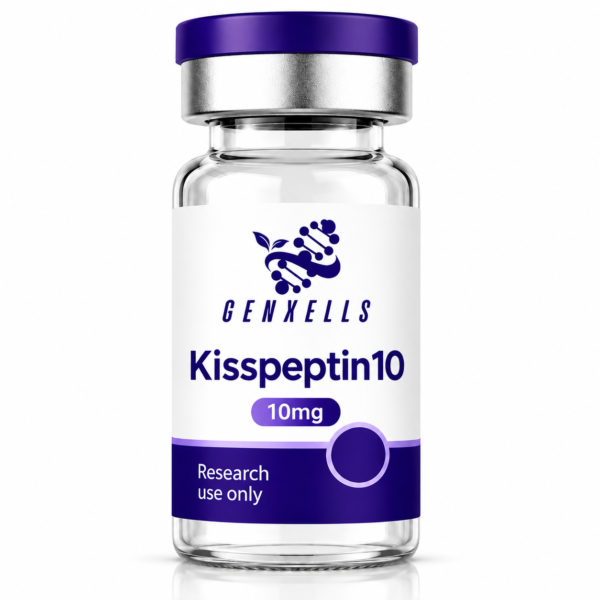
Kisspeptin-10 is a peptide that attracts attention for its role in reproductive hormone signaling. It belongs to the kisspeptin family of naturally occurring peptides and interacts with the kisspeptin receptor, which plays an important role in communication between the brain and reproductive system. A Kisspeptin-10 10mg Injection refers to a preparation containing the peptide for research or clinical investigation, depending on the product and regulatory setting.
Understanding how Kisspeptin-10 works, why researchers study it, and what safety considerations apply can help provide a clearer picture of this specialized peptide.
What Is Kisspeptin-10?
Kisspeptin-10 is a biologically active peptide derived from the larger kisspeptin protein. Kisspeptin signaling takes place primarily through the KISS1 receptor, also known as GPR54. This signaling pathway has an important connection with the hypothalamic-pituitary-gonadal axis.
The hypothalamus uses several signaling systems to regulate reproductive hormone activity. Kisspeptin is one of the key signals involved in stimulating gonadotropin-releasing hormone, commonly called GnRH. GnRH then influences the release of luteinizing hormone and follicle-stimulating hormone from the pituitary gland.
Because of this relationship, Kisspeptin-10 receives considerable attention in reproductive endocrinology and hormone research.
How Does Kisspeptin-10 Work?
Kisspeptin-10 interacts with kisspeptin receptors in specific areas of the body, particularly within the hypothalamic reproductive hormone network. Activation of this pathway can influence GnRH signaling.
GnRH plays a central role in regulating reproductive hormones. Changes in GnRH signaling can affect luteinizing hormone and follicle-stimulating hormone activity, which are associated with reproductive function in both males and females.
Researchers study this pathway because it provides an opportunity to better understand how the brain communicates with the reproductive system. Kisspeptin signaling also helps researchers investigate conditions involving reproductive hormone regulation.
Why Is Kisspeptin-10 Studied?
Kisspeptin-10 has scientific interest because reproductive hormone regulation involves a complex series of biological signals. Researchers examine kisspeptin signaling in areas such as reproductive endocrinology, puberty, fertility, and hormone regulation.
Research may explore how kisspeptin influences GnRH release and how this pathway interacts with other reproductive hormones. Scientists also investigate whether changes in kisspeptin signaling have connections with certain reproductive disorders.
Importantly, research interest does not automatically mean that a Kisspeptin-10 product is an approved treatment for a particular condition. Regulatory approval, clinical evidence, formulation, and intended use vary by country and product.
Potential Research Applications
Kisspeptin-related research covers several areas of reproductive biology. One important area involves understanding the mechanisms that regulate fertility.
Researchers may investigate kisspeptin signaling in relation to:
- Reproductive hormone regulation
- GnRH secretion
- Puberty-related hormonal signaling
- Male reproductive function
- Female reproductive function
- Fertility research
- Hypothalamic-pituitary-gonadal axis activity
These research areas help scientists understand the biological mechanisms that control reproductive development and function.
Kisspeptin-10 and Hormone Signaling
The relationship between Kisspeptin-10 and reproductive hormones is one of the main reasons this peptide receives scientific attention. Kisspeptin signaling can stimulate pathways associated with GnRH release.
GnRH then contributes to the regulation of luteinizing hormone and follicle-stimulating hormone. These hormones have important roles in reproductive physiology.
This signaling pathway demonstrates how a relatively small peptide can participate in a broader endocrine system. Researchers continue to study the timing, intensity, and biological context of kisspeptin signaling to better understand its physiological effects.
What Does 10mg Mean?
The term 10mg generally describes the quantity of peptide contained in a particular preparation or vial. It does not, by itself, indicate an appropriate dose for a person.
Peptide concentration, formulation, route of administration, storage requirements, and intended use can differ between products. For this reason, the label and professional guidance associated with a specific preparation are important.
People should not interpret the total amount listed on a product as a recommended individual dose.
Safety Considerations
Kisspeptin-10 is a specialized peptide, and its use requires appropriate medical or research oversight. Its effects on reproductive hormone signaling mean that inappropriate use may interfere with normal endocrine processes.
Possible concerns can include changes in reproductive hormone activity and unexpected endocrine effects. The safety profile also depends on the specific formulation, product quality, route of administration, and individual circumstances.
Anyone considering a peptide that affects hormonal pathways should discuss the decision with a qualified healthcare professional. This is especially important for individuals who have endocrine conditions, reproductive health concerns, or take medicines that influence hormone levels.
Product Quality Matters
Injectable peptide preparations require particular attention to quality and sterility. Contamination, incorrect concentration, impurities, or inappropriate handling can create additional risks.
A legitimate medical or research setting should provide appropriate product information, quality controls, labeling, and handling requirements. Products from unverified sources may not provide reliable information about their identity, purity, concentration, or sterility.
For injectable preparations, professional oversight is particularly important because improper handling can introduce risks that are unrelated to the peptide itself.
Kisspeptin-10 Research Continues
Kisspeptin-10 remains an important subject in reproductive biology because of its relationship with GnRH and the broader reproductive hormone network. Research into this signaling pathway can contribute to a better understanding of fertility, puberty, and endocrine regulation.
At the same time, it is important to distinguish scientific research from established medical treatment. A peptide being investigated for a biological effect does not necessarily mean it is approved for routine therapeutic use.
Final Thoughts
Kisspeptin-10 10mg Injection represents a specialized peptide preparation associated with research into reproductive hormone signaling. Its connection with the kisspeptin receptor and GnRH pathway makes it an important subject within reproductive endocrinology.
Anyone interested in Kisspeptin-10 should focus on verified scientific information, product quality, regulatory status, and professional medical guidance. Because hormonal pathways are complex, appropriate oversight is essential when considering any peptide preparation intended for human use.
Report this wiki page