Pinealon: A Modern Look at Cellular and Cognitive Wellness
Wiki Article
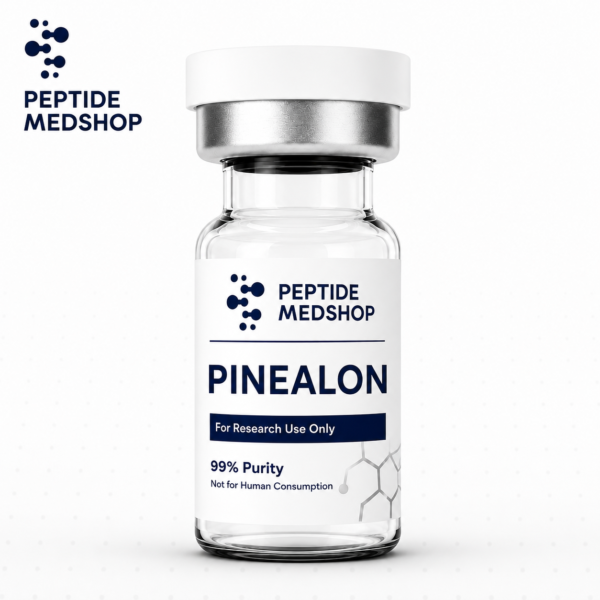
Pinealonis a short peptide that attracts attention in the field of peptide research because of its potential relationship with cellular function, cognitive health, and healthy aging. As interest in peptide-based wellness continues to grow, Pinealon remains a compound that researchers explore for its possible role in supporting biological processes associated with the brain and overall cellular health.
Unlike conventional nutritional supplements, peptides interact with biological systems in more specific ways. This makes Pinealon an interesting subject for scientific investigation, particularly in areas involving cellular signaling, oxidative balance, and age-related changes.
What Is Pinealon?
Pinealon is a synthetic peptide consisting of a short chain of amino acids. It is commonly associated with research into neuroprotective mechanisms, cellular regulation, and healthy aging. Researchers examine how this type of peptide may interact with cellular processes and whether it has applications in age-related research.
Pinealon is also discussed in connection with the pineal gland, an endocrine structure involved in several biological processes, including the regulation of circadian rhythms. However, research into Pinealon remains an evolving area, and its mechanisms and potential applications require further scientific evaluation.
Because Pinealon belongs to the category of research peptides, it is important to distinguish laboratory research from established medical treatment. It should not automatically be considered an approved therapy for a particular health condition.
Why Does Pinealon Attract Research Interest?
The growing interest in Pinealon comes largely from research surrounding peptides and their influence on cellular communication. Peptides can participate in biological signaling, making them valuable subjects for researchers investigating how cells respond to different molecular signals.
Pinealon receives particular attention in areas such as:
- Cellular aging research
- Cognitive and neurological research
- Oxidative stress research
- Cellular signaling
- Healthy aging studies
- Neuroprotective research
- Biological regulation
These areas are important because normal cellular function depends on efficient communication, balanced oxidative processes, and appropriate responses to environmental and physiological stress.
Pinealon and Cognitive Research
One of the most interesting areas surrounding Pinealon is cognitive research. The brain requires a highly coordinated environment to support processes related to memory, attention, learning, and communication between neurons.
Researchers investigate whether certain peptides can influence mechanisms associated with neuronal function and cellular protection. Pinealon therefore attracts interest as a research compound in studies focused on brain health and age-related cognitive changes.
However, laboratory interest does not mean that Pinealon provides a proven cognitive enhancement effect in humans. More rigorous research is necessary to determine its potential role, appropriate applications, and long-term effects.
Potential Role in Cellular Aging Research
Healthy aging involves numerous biological processes. Cells experience oxidative stress, changes in protein regulation, altered signaling, and other age-associated changes. Scientists therefore investigate different molecules that may influence cellular resilience and regulation.
Pinealon is of interest in this context because peptide research can provide insights into how short amino-acid sequences interact with cellular pathways. Researchers explore whether compounds such as Pinealon can contribute to a better understanding of mechanisms connected with cellular aging.
This research may help scientists understand how cellular processes change over time and identify potential targets for future investigation.
Oxidative Stress and Pinealon
Oxidative stress occurs when the production of reactive molecules exceeds the body's ability to maintain balance. Excessive oxidative stress can affect cellular structures and is an important subject in research related to aging and various biological conditions.
Pinealon research includes interest in oxidative balance and cellular responses to stress. Researchers examine whether the peptide has characteristics that may be relevant to cellular protection.
It is important to avoid interpreting these research findings as proof of a specific health benefit. Human evidence, dosage standards, and long-term safety information remain important considerations before drawing clinical conclusions.
Pinealon and Healthy Aging
Healthy aging focuses on maintaining physical and cognitive function while supporting normal biological processes throughout life. Peptide research represents one area scientists explore to better understand the molecular mechanisms involved in aging.
Pinealon is part of this broader research landscape. Its connection with cellular and neurological research makes it particularly interesting to researchers studying age-associated biological changes.
The goal of this research is not simply to increase lifespan. Researchers also examine mechanisms that may relate to cellular function, neurological health, and overall biological resilience.
How Is Pinealon Studied?
Pinealon can be studied through laboratory research, experimental models, and scientific investigations designed to evaluate its biological properties. Researchers may examine cellular responses, molecular pathways, and other measurable biological markers.
The research process helps scientists determine how a compound behaves under controlled conditions. Additional research is necessary before laboratory findings can support reliable conclusions about human use.
Anyone interested in Pinealon should therefore pay attention to the difference between research findings and clinically established evidence.
Safety and Research Considerations
Safety is an important consideration with any research peptide. Pinealon should not be treated as a routine dietary supplement simply because it consists of amino acids.
Products marketed as research peptides may differ in purity, concentration, manufacturing quality, and storage requirements. Contamination or inaccurate labeling can create additional concerns.
Individuals should avoid self-administering research compounds without appropriate professional guidance. Anyone considering peptide-related products should discuss the subject with a qualified healthcare professional, particularly when other medications or health conditions are involved.
The Future of Pinealon Research
Interest in Pinealon reflects the broader growth of peptide science. Researchers continue to examine how small peptide molecules interact with biological systems and whether these interactions can provide useful insights into cellular and neurological processes.
Future research may provide a clearer understanding of Pinealon's mechanisms, potential applications, safety profile, and biological significance. Well-designed human studies are particularly valuable because laboratory observations alone cannot establish clinical effectiveness.
Final Thoughts
Pinealon represents an interesting area of peptide research with potential relevance to cellular function, cognitive research, oxidative balance, and healthy aging. Its short peptide structure and connection with biological signaling make it a subject of continuing scientific interest.
At the same time, Pinealon remains a research-focused compound rather than a universally established medical treatment. Understanding the available evidence, recognizing research limitations, and prioritizing professional guidance are essential when discussing its potential applications.
As peptide science continues to develop, Pinealon may provide researchers with additional insights into the complex biological processes associated with cellular health and aging.
Report this wiki page